


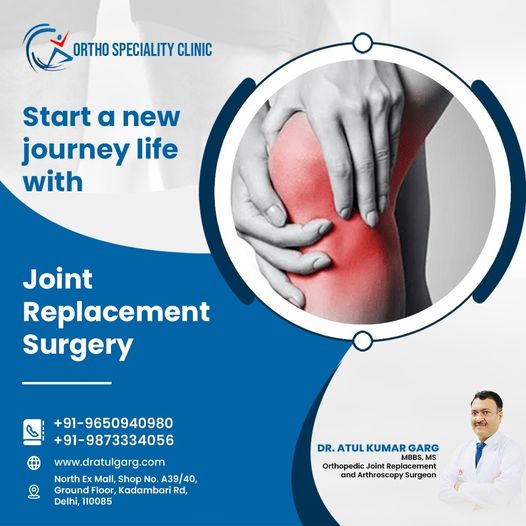
When knee pain makes walking to the market, climbing stairs, or getting up from a chair difficult, even ordinary daily activities can become exhausting. You may have tried painkillers, exercises, or physiotherapy but still struggle with stiffness and discomfort. If knee pain is affecting your quality of life, consulting a knee replacement surgeon in Vikaspuri can help you understand the cause and explore suitable treatment options.
Knee replacement surgery is a procedure in which damaged joint surfaces are replaced with artificial components. It is commonly recommended for people with advanced arthritis when other treatments no longer provide sufficient relief.
The knee is a complex joint that supports your body weight and allows you to walk, bend, and move comfortably. Several conditions can cause persistent knee pain, but osteoarthritis is one of the most common reasons people consider knee replacement.
Other possible causes include previous injuries, inflammatory arthritis, and certain structural problems.
Common symptoms that deserve medical attention include:
Persistent knee pain during walking or standing.
Stiffness after sitting or resting.
Swelling around the knee joint.
Difficulty climbing stairs or getting up from a chair.
Reduced ability to bend or straighten the knee.
Pain that interferes with sleep or everyday activities.
A medical examination is necessary to determine the cause. Sudden severe pain, a hot and swollen knee accompanied by fever, or an inability to bear weight requires prompt medical assessment.
Not every person with knee arthritis needs surgery. In many cases, symptoms can initially be managed with non-surgical treatments.
A knee replacement surgeon may consider surgery when:
Arthritis has significantly damaged the knee joint.
Pain regularly interferes with walking and daily activities.
Stiffness or deformity substantially limits movement.
Medication, physiotherapy, and other appropriate treatments have not provided adequate relief.
The expected benefits of surgery outweigh its potential risks.
The decision is based on your symptoms, examination findings, imaging results, general health, and personal goals. An X-ray alone does not determine whether surgery is necessary.
During knee replacement surgery, the surgeon removes damaged cartilage and a small amount of underlying bone from the affected joint surfaces. Artificial components are then positioned to restore the joint's function.
Depending on the extent of damage, you may be considered for a total knee replacement or, in selected cases, a partial knee replacement.
The procedure is performed in a hospital under an appropriate anaesthesia plan. Your surgeon will explain the expected benefits, possible complications, implant options, and preparation required before surgery.
Recovery takes time, and progress varies from person to person. Many patients begin standing and walking with assistance soon after surgery when medically appropriate.
Physiotherapy is an important part of recovery. It helps improve knee movement, strengthen surrounding muscles, and rebuild confidence while walking.
During the initial recovery period, you may need a walker or another walking aid. Following your prescribed exercise programme, taking medication as directed, and attending follow-up appointments can support rehabilitation.
Contact your medical team if you develop increasing wound redness, fever, unusual discharge, or worsening pain. Sudden breathlessness or chest pain after surgery requires emergency medical attention.
Choosing the right surgeon involves evaluating qualifications, relevant experience, hospital facilities, and postoperative support.
Before deciding, consider these factors:
Qualifications: Verify the surgeon's orthopaedic training and credentials.
Procedure experience: Ask about experience with total and partial knee replacement.
Treatment options: Understand the benefits and limitations of non-surgical care and surgery.
Rehabilitation facilities: Check whether physiotherapy and follow-up care are available.
Transparent costs: Request a clear estimate covering hospital charges, implants, medication, and rehabilitation where applicable.
A good consultation should help you understand your options without feeling pressured into surgery.
Living with chronic knee pain can gradually reduce your independence, but surgery is not the only treatment available. An accurate diagnosis can help identify the most appropriate approach for your condition.
If you are looking for a knee replacement surgeon in Vikaspuri, arrange an orthopaedic consultation to discuss your symptoms, treatment options, and recovery expectations.
There is no fixed age requirement. Surgery is considered according to the severity of joint damage, symptoms, overall health, and expected benefits.
Many patients make noticeable progress over the first six weeks, but recovery can continue for several months. The timeline depends on individual health, rehabilitation, and the type of procedure.
Some pain and swelling are expected after surgery, but pain management strategies are used to make recovery more manageable. Your medical team will develop a plan suited to your needs.
Many patients experience improved mobility and reduced pain after recovery. However, outcomes vary, and the final result depends on factors such as joint condition, muscle strength, general health, and rehabilitation.
| Tags: | #Knee Replacement Surgeon in Kirti Nagar , # Knee Replacement Surgeon in Ramesh Nagar , # Knee Replacement Surgeon in Tilak Nagar , # Knee Replacement Surgeon in Janakpuri |